Preventing OSHA violations in medical waste handling starts with mastering the small, everyday habits. From proper labeling and PPE use to routine audits and up-to-date training, these practices help healthcare teams avoid costly penalties and reduce exposure risks.
Handling medical waste is part of daily life in hospitals, clinics, labs, and pharmacies.
The work is routine, but the dangers aren’t. When regulations set by the Occupational Safety and Health Administration (OSHA) aren’t followed, staff can get hurt, and organizations can face hefty fines: up to $16,550 for a serious violation and more than $165,000 for a willful or repeated one.
For compliance officers and operations managers, the goal is straightforward: keep people safe while minimizing preventable budget impacts. Knowing where OSHA violations in medical waste usually happen makes that job far easier.
Why OSHA Standards Matter
Regulated medical waste poses significant risks, including sharps injuries and exposure to other potentially infectious materials. OSHA rules are designed to protect the safety and health of healthcare workers who handle these materials and the environment from the dangers of biohazardous waste.
Consistent compliance supports three core areas:
- Clear waste segregation
- Proper personal protective equipment (PPE) use
- Ongoing training programs
When these elements are handled well, staff in healthcare facilities work with more confidence, and workplaces avoid unnecessary risks.
7 Frequent OSHA Violations in Medical Waste Handling
OSHA violations in medical waste handling can lead to severe and costly consequences.
#1: Improper Labeling and Storage
Labels fade, bins get swapped during busy shifts, and full containers get pushed aside “just for a minute.” Improperly marked or stored hazardous waste poses risks. Clear labels, intact containers, and designated storage prevent accidents and injuries.
#2: PPE Misuse or Gaps
Staff may not always have the right gear. In some cases, they may not have known how to use it properly. Gloves, gowns, and face shields protect worker safety only when they’re worn correctly. Short check-ins during shifts and quick refreshers help reinforce good habits.
#3: Inadequate Training
New hires may receive onboarding training, but long-term staff also need regular training refreshers. When people rely on outdated steps or memory, accidents can occur.
#4: Gaps in the Bloodborne Pathogens Standard
Most organizations fall short here. Missing sharps protocols (e.g., containers that are too full or improperly sealed), outdated exposure plans, or incomplete documentation can all lead to violations. Ensure sharps protocols follow the “fill-line rule” to protect staff during transport.
#5: Incorrect Disposal Methods
Incineration, autoclaving, and chemical treatment each apply to specific materials. When these rules are overlooked, organizations face avoidable penalties. Staff should be aware of which method applies to each type of hazardous waste.
#6: Lack of Regular Audits
Without routine checks, minor problems often remain hidden until they escalate into more significant issues. Regular audits help identify issues like broken bins and outdated procedures.
#7: Poor Waste Segregation
Poor waste segregation practices can lead to cross-contamination. Misplaced items create hazards and may lead to refused pick-up. Clear bin placement and daily reminders reduce mix-ups.
How to Prevent Improper Disposal of Medical Waste
Strong compliance relies on habits, clear systems, and employees who feel comfortable speaking up about workplace safety. Helpful steps to prevent improper medical waste disposal include:
- Conduct regular training sessions with brief refreshers
- Draft a medical waste management and exposure control plan that’s annually reviewed and updated
- Partner with certified medical waste disposal companies
- Use tracking software that logs waste volume and container changes
- Encourage staff to report issues early, without pushback
Follow these measures to ensure safe final disposal of healthcare waste and compliance with regulations.
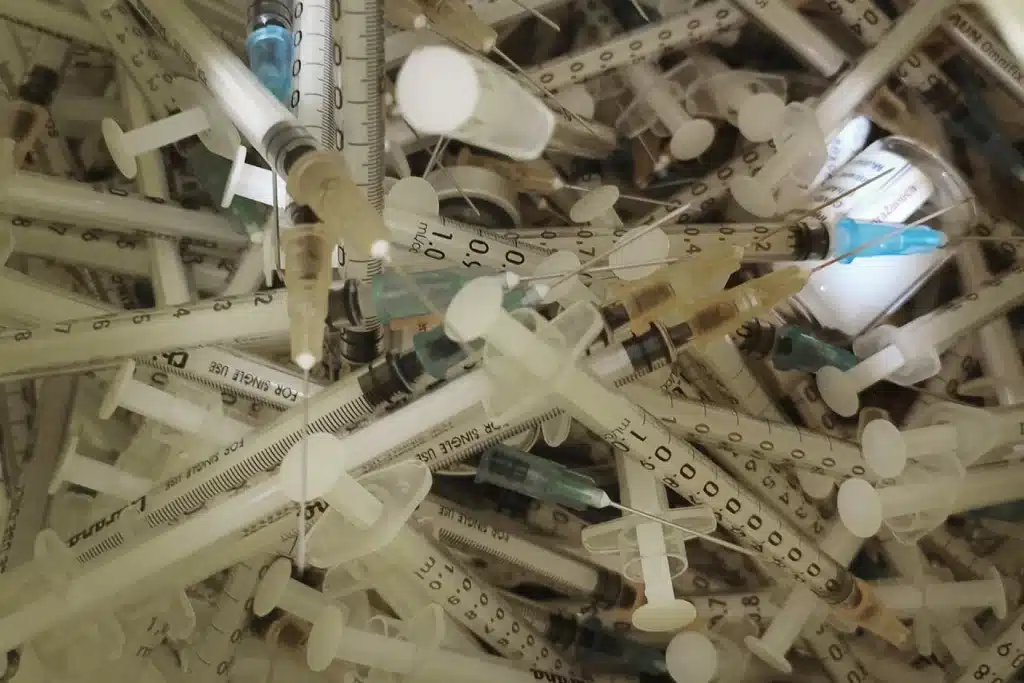
Image Source: Pexels
Key Takeaways
- OSHA penalties for medical waste violations can exceed $165,000.
- Violations often arise from labeling, storage, PPE misuse, and training issues.
- The BBP Standard is frequently violated due to outdated plans, missing protocols, or incomplete documentation.
- Regular audits catch issues like full bins and outdated procedures.
- Effective disposal methods minimize contamination and compliance issues.
- A strong safety culture reduces OSHA risk through training and communication.
Build a Culture of Safety and Compliance
Safety becomes part of the daily routine when health administration sets the tone. Quick huddles, posted reminders, and honest conversations help staff share concerns before they turn into incidents. Minor improvements like moving a bin closer to a busy station or replacing a cracked lid make a noticeable difference.
When teams feel supported, they follow procedures with more consistency, and OSHA violations become far less likely. Are your compliance practices leaving you exposed? Don’t let paperwork and outdated processes turn into a preventable penalty.
Contact Biogenic Solutions today to safeguard your compliance program with reliable disposal, compliant training, and clear digital documentation. It’s everything you need to eliminate exposure to costly OSHA violations.