Effective medical waste management ensures compliance with federal and state regulations. Biogenic Solutions provides cost-effective, proper disposal of biohazardous waste and sharps. Improve operational efficiency and public health with our personalized, local waste management strategies.
Improper medical waste disposal puts your facility’s reputation, staff, and patients at risk. From disease transmission in landfills or garbage trucks to regulatory violations, the consequences are real and preventable.
To stay compliant, hospital administrators and facility managers must act proactively, starting with understanding common medical waste and management mistakes to avoid. By addressing these pitfalls, you can safeguard your team, protect the environment, and cut costs with smarter waste practices.
What is Medical Waste?
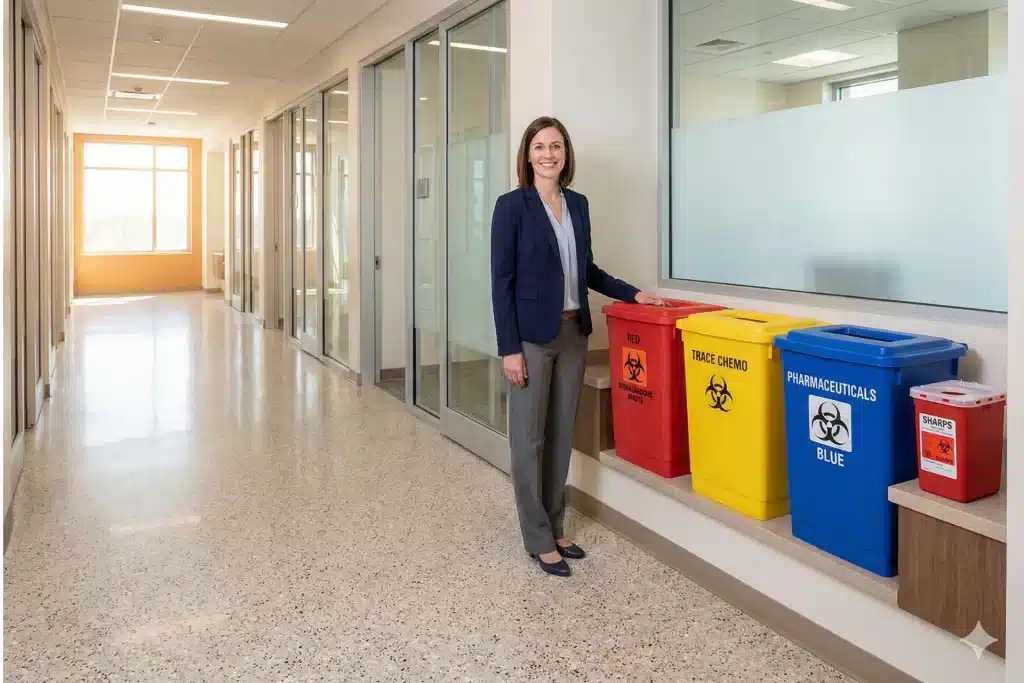
Medical waste encompasses a variety of materials generated during patient care, diagnostics, research, and treatment that require specialized handling and disposal. This ranges from sharps and biohazardous materials to pharmaceuticals and trace chemotherapy waste.
Each category must be segregated, stored, and disposed of according to strict local, state, and federal regulations to meet OSHA and EPA standards.
For healthcare facilities, taking a proactive approach to medical waste management safeguards your practice. Investing in cost-effective, compliant medical waste management fosters trust with your patients and ensures you stay ahead of the EPA and OSHA standards.
| Waste Category | Definition & Materials | Disposal Requirement |
| Sharps | Objects capable of puncturing the skin, such as needles, scalpels, and lancets | Must be placed in puncture-resistant, leak-proof containers to prevent needlestick injuries |
| Infectious Waste | Items contaminated with blood or other potentially infectious materials (OPIM), including PPE, gauze, and dressings | Requires specialized containment and treatment (e.g., autoclaving) to neutralize pathogens |
| Pathological Waste | Human or animal tissues, organs, and body parts typically resulting from surgery or biopsies | Often requires high-temperature incineration for safe destruction |
| Laboratory Waste | Cultures, stocks, and specimens used in clinical or research settings | Must be treated in accordance with biohazard protocols before final disposal |
| Pharmaceutical Waste | Expired or unused medications and contaminated containers | Managed to prevent environmental contamination and unauthorized access |
| Chemotherapy Waste | Trace or bulk amounts of cytotoxic agents used in cancer treatment | Strictly regulated; typically requires specialized incineration at high temperatures |
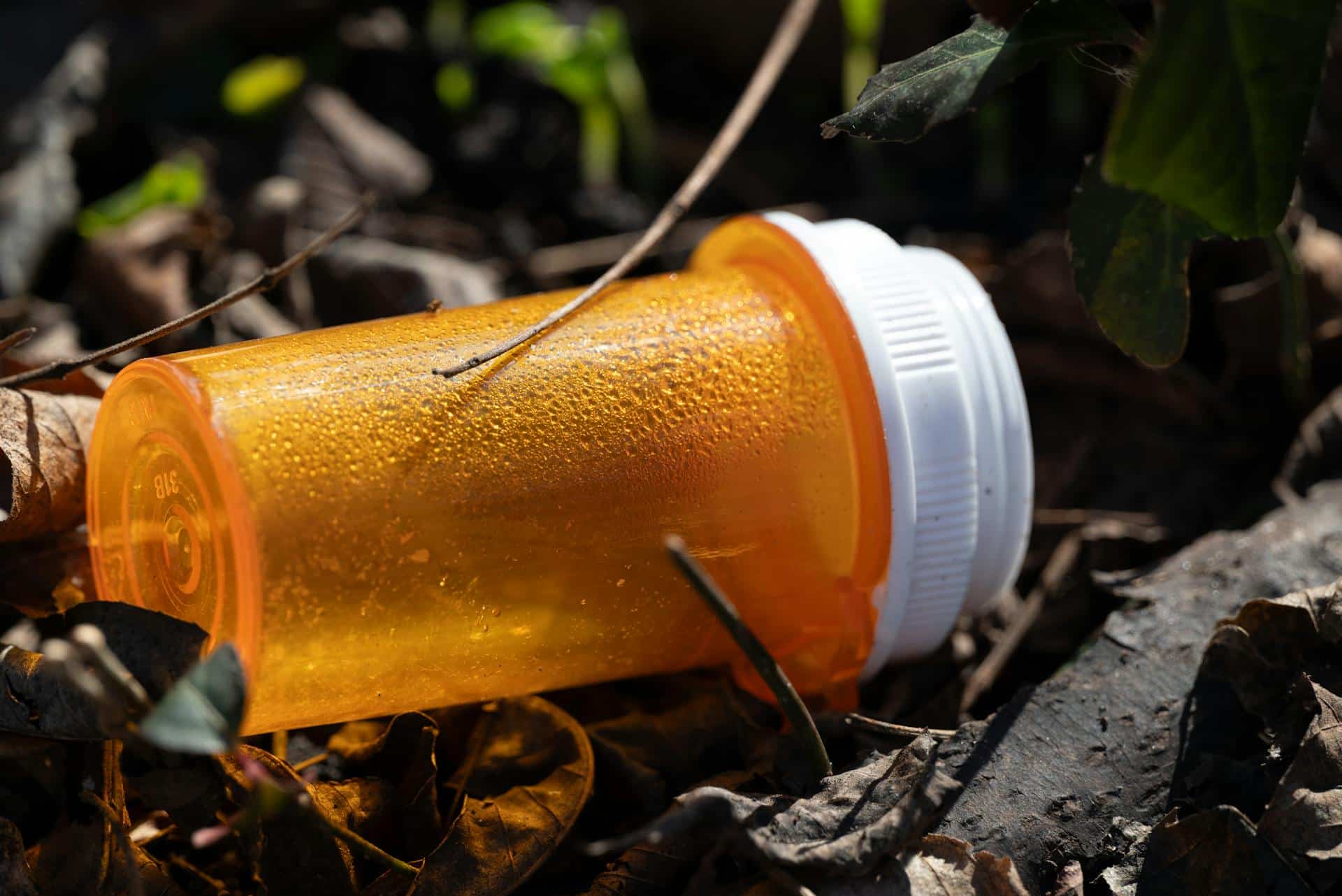
Image Source: Pexels
Common Issues in Medical Waste Management
Avoid these waste disposal mistakes and improve waste management practices to stay proactive.
1. Improper Waste Segregation
Segregation is the foundation of effective waste management. Mixing biohazardous waste with general trash forces inexpensive materials to be treated under premium-rate disposal protocols, drastically inflating weight-based service fees.
Additionally, this poor segregation increases the risk of severe regulatory fines that can exceed $165,000 per violation. Following these guidelines prevents cross-contamination and promotes safety within the facility.
- Always separate sharps from other waste.
- Use color-coded containers for easy identification.
- Ensure clear signage to prevent improper disposal.
2. Using Incorrect or Inadequate Storage Containers
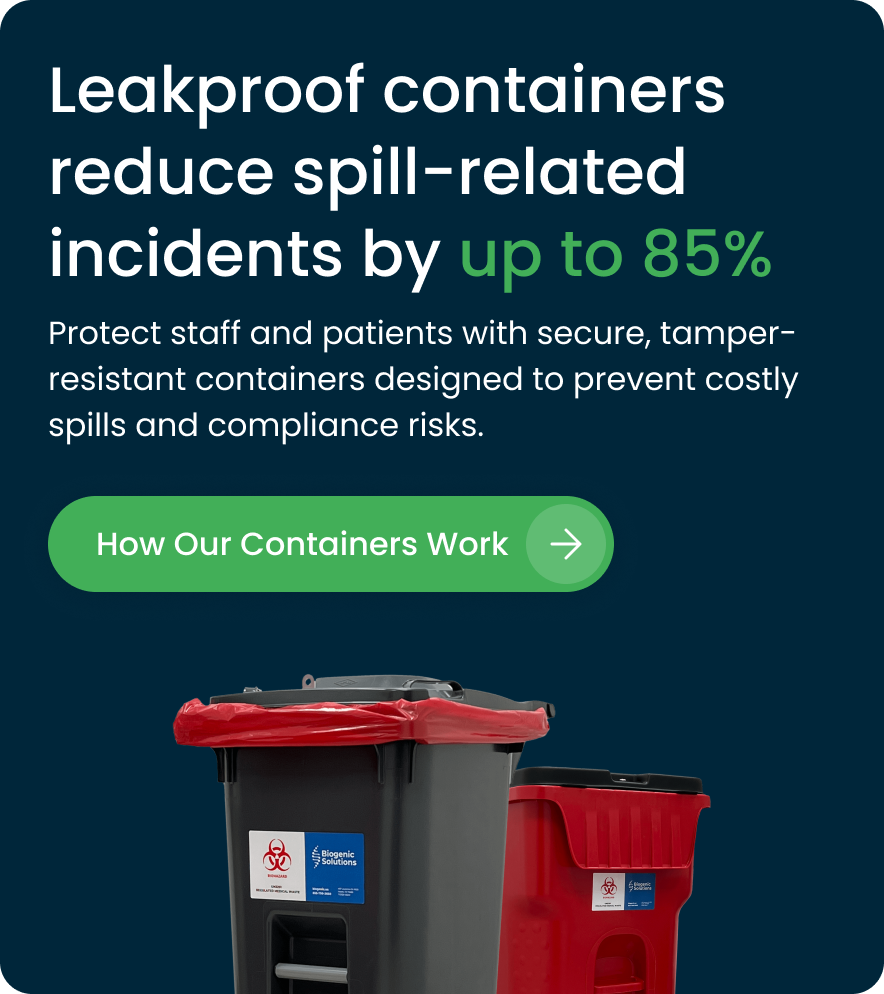
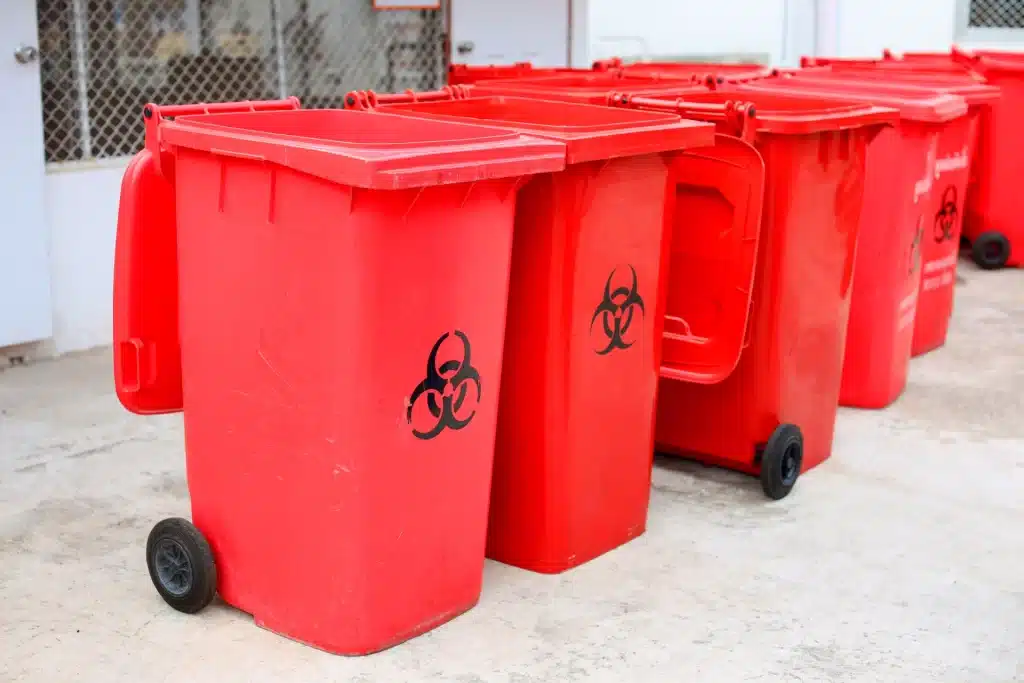
Storing waste in inadequate bins can lead to leaks and exposure to dangerous chemicals. To maintain safety and compliance, store medical waste in leak-proof, puncture-resistant containers with secure lids.
These specialized bins prevent accidental spills and protect healthcare workers from health hazards during transportation.
Follow these practices to ensure waste is contained safely, preventing exposure and environmental harm.
- Selecting appropriate container sizes
- Using containers with secure lids
- Ensuring containers are clearly labeled
3. Inadequate Labeling and Signage
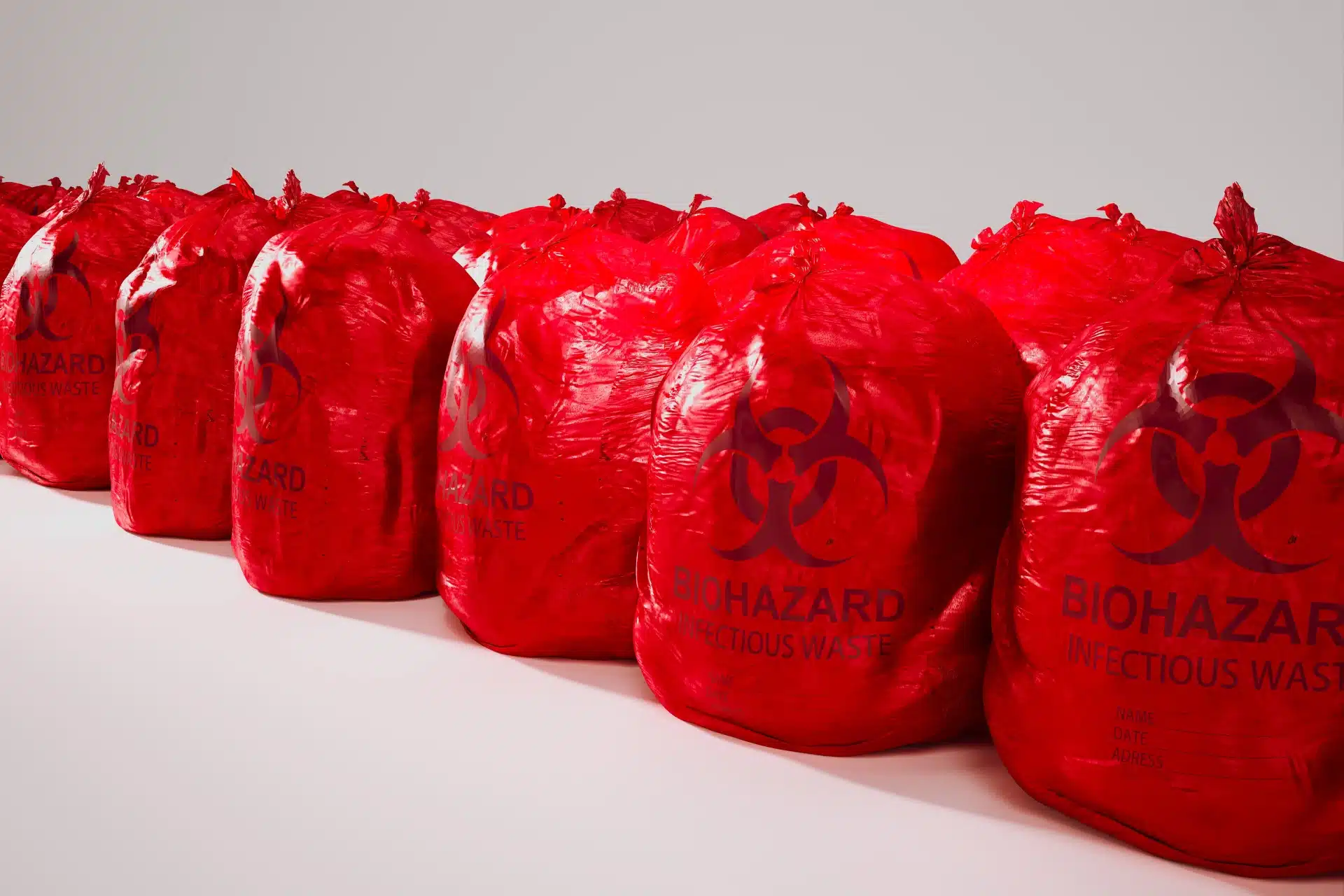
Lack of proper labeling can result in mishandling and confusion. To prevent accidental exposure or improper disposal, all containers must be labeled correctly to inform all who handle them of their contents and handling requirements.
Best practices for effective labeling include:
- Using standardized, regulation-compliant labels
- Ensuring labels are highly visible, legible, and securely attached
- Displaying appropriate biohazard symbols where necessary
- Updating labels promptly when container contents change
Proper signage can drastically reduce waste-related errors in healthcare facilities. Make sure your staff is trained to understand and apply them.
4. Lack of Staff Training and Awareness on Safe Disposal
Even the best hazardous waste programs fail without staff buy-in. Frequent training on safe disposal and local regulations keeps your team informed and compliant.
Facility managers must launch mandatory workshops on segregation and schedule recurring training to keep staff up to date on regulations. Additionally, managers should conduct routine bin audits to catch mixing errors, deploy high-visibility signage at disposal points, and designate safety leads to ensure consistent compliance.
5. Poor Record-Keeping and Documentation
Maintaining detailed records ensures traceability and helps in verifying compliance during audits. However, accurate record-keeping is often overlooked, which can lead to compliance issues and inefficiencies
To ensure your facility stays compliant and breezes through audits, follow these documentation practices:
- Maintain logs of waste types and disposal methods
- Keep records of training sessions and attendance
- Document waste disposal approvals
These practices not only support compliance but also improve facility management and accountability. Over time, your facility may see more efficient pre-audit preparations and better inspection outcomes.
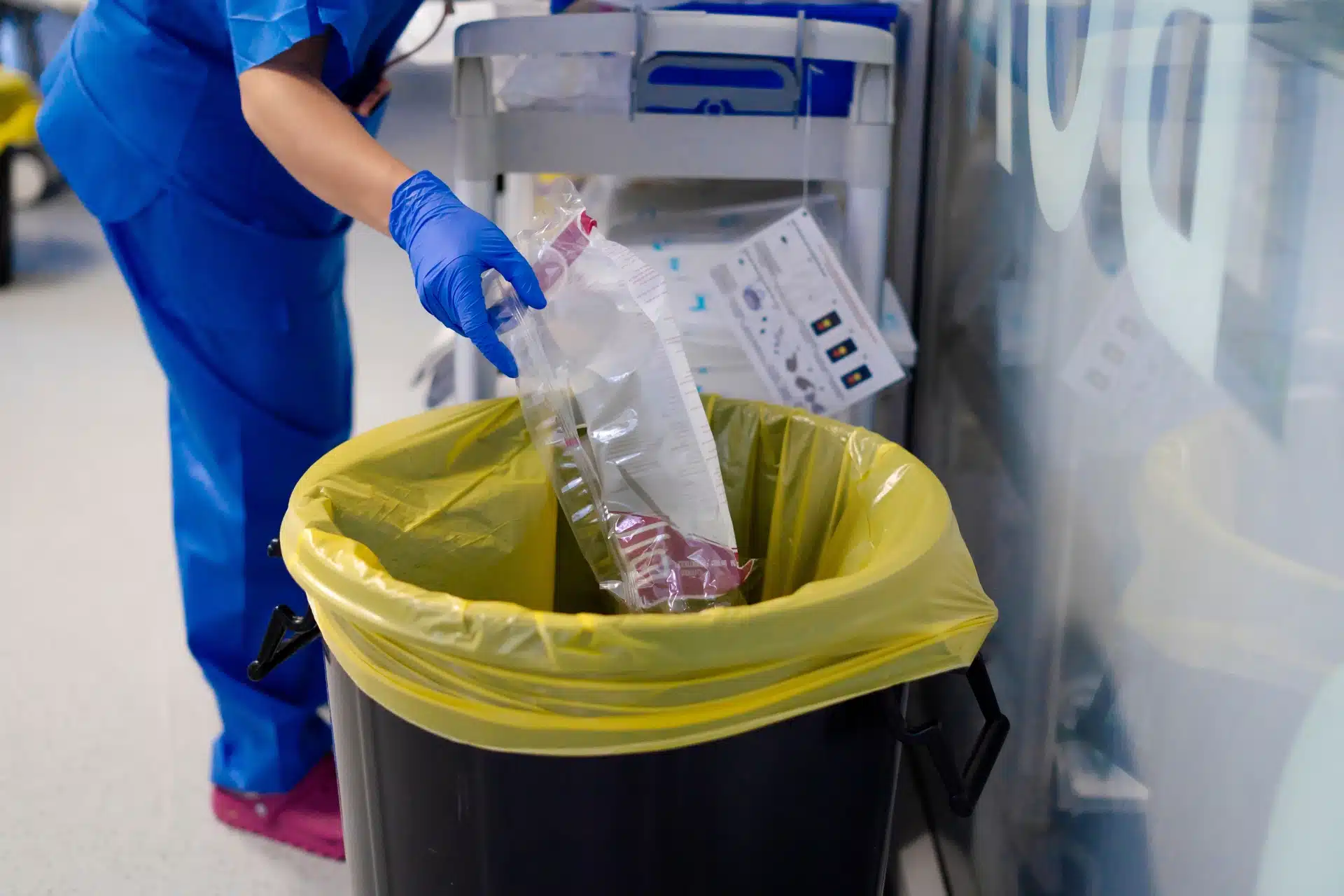
Image Source: Shutterstock
6. Ignoring Local, State, and Federal Public Health Regulations
Ignoring medical waste regulations can have serious consequences. Beyond warnings, fines under the OSHA Act can reach up to $165,514 per incident, which can devastate smaller clinics or specialized practices.
Moreover, staying compliant promises to your staff and the patients in your community that their safety is your highest priority. By staying vigilant with local and federal rules (whether navigating Texas TCEQ or Oklahoma DEQ rules), you protect your team, patients, and facility’s reputation, turning regulatory requirements into a standard of excellence.
How to Discard Medical Waste Properly: Best Practices
To properly dispose of your facility’s waste, you must look at the entire lifecycle, from transportation to final treatment
- Sharps Disposal: When your sharps box is full, dispose of it through a licensed provider; never empty it into the trash.
- Pharmaceutical (RX) Disposal: Safeguarding our local water supplies from pharmaceutical pollution starts with a simple choice: following the right protocols, such as using the Rx Destroyer Starter Kit to easily navigate strict state disposal laws. This proactive step protects your team from liability and reaffirms your facility’s commitment to being a clean, trusted neighbor in the community.
- Professional Pickup: Use a reliable service that guarantees on-time, every-time pickups to avoid odor and storage issues.
- Implement regular waste audits to improve processes.
When you prioritize these waste management standards, you’re doing more than just streamlining operations; you’re actively shielding your team from life-altering injuries and protecting your facility’s financial future.
Sustainable and Eco-Friendly Waste Management Solutions
Modern waste management is moving toward a circular economy. For hospitals and medical facilities, this means focusing on eco-friendly strategies to reduce waste, promote recycling, and ensure safe disposal.
Examples of eco-friendly practices include:
- Recycle medical packaging waste to reduce plastic waste and plastic pollution
- Implement a green procurement policy
- Use biodegradable materials to further reduce their impact.
- Switching to non-toxic disinfectants
- Utilizing energy-efficient waste treatment systems
When you choose to lead with waste reduction, you’re showing your team and your community that you care about the world they live in.
By adopting sustainable solutions, you turn a daily operational chore into a powerful statement of environmental stewardship. These practices don’t just protect our local water and air; they also streamline your entire workflow, proving that a healthier planet and a more efficient facility go hand in hand.
Leveraging Technology and Digital Tools for Compliance
Adopting software systems to monitor waste-disposal processes simplifies documentation. Rather than navigating complex regulations with paper logs, digital tools streamline your tracking, ensuring you stay fully compliant.
Additionally, it allows you to identify inefficiencies as they occur and significantly improve the accuracy of your reporting.
Key advantages of using digital tools include:
- Real-time data tracking: Monitor your waste generated and pickup schedules instantly to maintain total oversight.
- Improved compliance reporting: Easily generate the documentation needed for audits regarding regulated medical waste.
- Enhanced waste audit capabilities: Identify where your waste-reduction strategies are working and where you can further reduce costs.
FAQs About Health Risks of Improper Waste Disposal
Generally, these include infectious, hazardous, radioactive, and general solid waste. Proper identification ensures regulated medical waste is handled safely, protecting public health and ensuring your facility stays compliant with all state regulations.
Never empty a full box into regular trash. You must use a licensed waste disposal service for safe disposal. This prevents needlestick injuries to healthcare workers and ensures proper disposal in accordance with strict regulatory guidelines.
Pharmaceutical (RX) waste disposal requires specialized handling to prevent environmental pollution. Use dedicated containers and partner with a provider like Biogenic Solutions to ensure your facility meets all federal and state regulations.
Improper disposal leads to health risks, Environmental Protection Agency (EPA) fines, and the spread of pathogens via body fluids. It threatens human health and can cause lasting damage to a facility’s professional reputation and bottom line.
Key Takeaways
- Prioritize compliance & safety: Avoid significant risks and legal penalties by ensuring your medical waste management strictly follows federal and state regulations.
- Master waste segregation: Prevent improper disposal and needlestick injuries by correctly separating sharps, infectious waste, and hazardous waste into designated containers.
- Enhance operational efficiency: Use digital tools to track waste generated in real time, reducing overhead while maintaining high compliance standards for healthcare facilities.
- Choose personalized service: Partner with a provider that offers local, direct support to solve common issues like odor, leakage, and missed pickups without generic 1-800 hold times.
- Commit to sustainability: Implement waste reduction strategies and recycling programs for medical packaging to minimize plastic pollution and promote a circular economy.
Build a Culture of Compliance With Biogenic Solutions
Managing medical waste and management shouldn’t feel like a second job. At Biogenic Solutions, we’re your local compliance partner. We understand the challenges of waste management in healthcare, especially for busy practice managers across Texas and Oklahoma.
Whether you need to overhaul your regulated medical waste protocols, need a paper shredding add-on, or want a more reliable, local touch, we provide personalized service without the generic 1-800 numbers.
Request a personalized audit today, and we’ll review your waste management strategies to identify savings and safety improvements.