Proper disposal of dental amalgam waste is important for environmental protection and regulatory compliance. Amalgam contains mercury, which can contaminate water. Follow EPA-compliant practices to manage and dispose of amalgam waste responsibly
For dental practices, proper dental amalgam waste disposal protects your practice, patients, and the environment. Because amalgam contains mercury, it must be managed under strict guidelines from the Environmental Protection Agency (EPA) to prevent contamination of water systems and ensure full regulatory compliance.
This blog covers how dental offices can capture, collect, and manage mercury responsibly, including best practices, mistakes to avoid, and the right partner to work with for simplified compliance.
Understanding Dental Amalgam and Its Environmental Impact
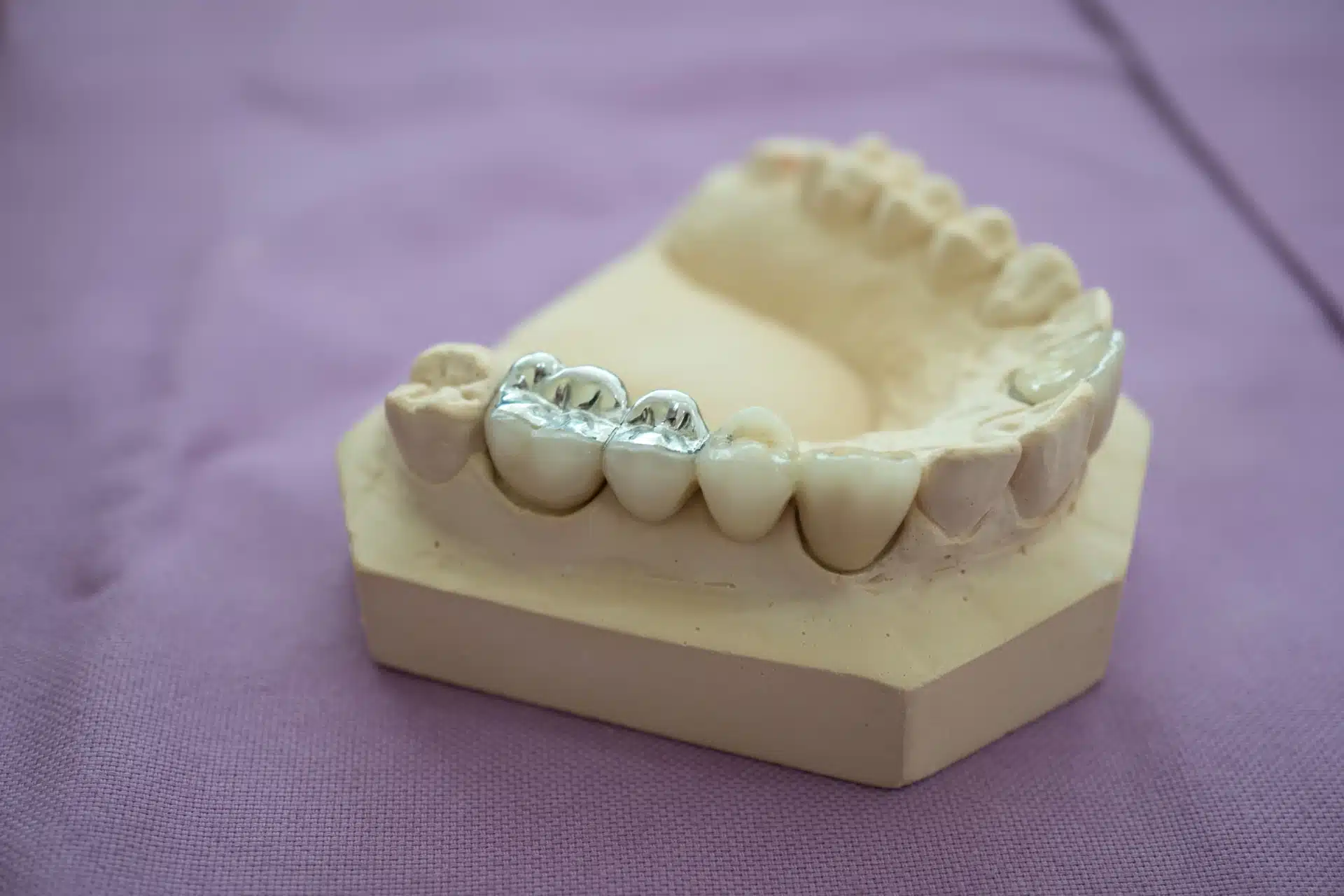
Dental amalgam is a filling material made of metals, such as silver, tin, and mercury. When disposed of improperly, mercury can enter water systems and harm both aquatic life and human health.
Here’s why safe disposal of this universal waste matters:
- Mercury is toxic. Even small amounts can cause contamination.
- Improper handling can lead to environmental and health hazards.
- Responsible disposal supports community safety and sustainability.
Effective dental waste management mitigates these risks, enabling you to continue your practice with confidence and without the potential harm to people or the environment.
Regulatory Requirements for Amalgam Waste Disposal
To control mercury pollution from dental sources, the EPA requires dental offices to follow specific guidelines for amalgam waste disposal.
Key compliance steps include:
- Install EPA-approved amalgam separators with vacuum pump filters to capture waste before it enters the plumbing system. It should at least meet 95% removal efficiency.
- Maintain and inspect equipment regularly to ensure full functionality.
- Submit a one-time compliance report to your pretreatment control authority detailing steps taken to meet compliance.
- Maintain detailed disposal records indefinitely, including separator maintenance logs and service receipts, for auditing and documentation purposes.
Partnering with a certified waste disposal service can simplify compliance for your practice and ensure you meet all local and federal hazardous waste regulations.
 Image source: Canva
Best Practices for Safe Amalgam Waste Handling
Managing hazardous materials, such as amalgam, requires dedicated procedures and proper containment. Outline official protocols to ensure consistent and compliant waste disposal throughout your practice.
Follow these best practices to stay compliant:
- Use airtight, labeled containers clearly to prevent mercury vapor release and ensure clear identification during collection and transport.
- Never mix amalgam waste with regular trash or rinse it down sinks to avoid environmental contamination and regulatory violations. Waste disposal services offer airtight containers for amalgam waste.
- Store waste separately from patient care areas to minimize exposure risks and maintain a clean, compliant workspace.
- Train staff on proper handling, PPE use, and segregation to promote consistency, safety, and accountability in waste management procedures.
- Inspect and maintain amalgam separators regularly to ensure optimal mercury capture and meet EPA performance standards.
- Document every disposal activity to provide traceability, support audits, and demonstrate ongoing regulatory compliance.
EPA regulations for universal waste are subject to change over time. To ensure compliance, regularly review and update your protocols to align with current EPA and OSHA standards.
Staff Training and Compliance Documentation
Your team plays a critical role in implementing proper mercury waste disposal. Ongoing staff training and documentation ensure every staff member understands safe handling and reporting procedures for dental amalgam waste.
The American Dental Association offers Best Management Practices for Amalgam Waste, a brochure specifically for amalgam waste disposal. Use it as a valuable reference for staff training and protocol drafting.
Regular training sessions should cover key waste disposal practices, such as:
- Safe collection and storage of amalgam waste
- Use and maintenance of amalgam separators
- Labeling, storage, and documentation guidelines
- Proper use of PPE and response to spills or leaks
Proper training in these practices ensures compliance, efficiency, transparency, and accountability in waste management.
 Image source: Canva
Common Mistakes to Avoid in Amalgam Waste Disposal
Even well-intentioned practices can make mistakes in amalgam waste disposal, leading to non-compliance, environmental damage, and reputational impact. Avoid these common pitfalls to prevent the hassle:
- Disposing of amalgam waste in regular trash. Always store and transport amalgam waste in approved, labeled containers to prevent mercury contamination. Place amalgam filling waste containers in accessible, visible locations for easy disposal.
- Using open, or non-airtight containers. Unsealed containers can release mercury vapor and endanger staff health. Use containers specifically designed to prevent mercury contamination.
- Neglecting regular maintenance of amalgam separators. These units must meet EPA performance standards. Skipping maintenance can reduce mercury capture efficiency and expose your practice to potential regulatory penalties.
- Forgetting to log waste collection or disposal activities. Missing records can hinder audits; implement accountability protocols or digital logs for disposal activities.
Identifying mistakes helps dental practices improve compliance and waste management. Avoid these common pitfalls to ensure consistent regulatory compliance.
Partner with Certified Waste Disposal Services
Working with a certified medical waste management provider, such as Biogenic Solutions, makes compliance straightforward. We provide EPA-compliant amalgam waste disposal services, ensuring that your materials are safely collected, transported, and treated in accordance with environmental standards.
Look for a trusted partner who offers:
- Established credentials and industry certifications
- Licensed, insured disposal services
- Experienced service specifically in dental practices
- Reliable and timely waste pick-up
- Proper documentation for compliance auditing.
- Environmentally-friendly disposal methods.
By selecting the right waste disposal partner, your dental practice can remain compliant while also safeguarding your community and the environment.
 Image source: Canva
FAQs
What is dental amalgam waste?
Dental amalgam waste includes amalgam capsules, extracted teeth with amalgam fillings, and leftover filling material containing mercury and other metals generated during dental procedures such as amalgam restorations or removals.
Why is amalgam waste disposal important?
Improper disposal can release mercury into water systems, posing risks to aquatic life and human health. Proper disposal of mercury-containing medical wastes ensures compliance with EPA regulations and supports environmental safety.
What are EPA requirements for amalgam waste?
- According to the EPA, dental practices must:
- Install and maintain amalgam separators that meet EPA standards.
- Use certified waste disposal services.
- Maintain detailed disposal and maintenance records.
Key Takeaways
- Mercury Awareness: Dental amalgam contains mercury, which can harm the environment if disposed of improperly.
- Regulatory Compliance: EPA regulations require amalgam separators and certified disposal partners to prevent mercury pollution.
- Proper Handling: Use airtight, clearly labeled containers and never dispose of amalgam in regular trash or drains.
- Staff Training: Continuous training ensures all dental team members understand safety protocols and compliance requirements.
- Certified Partners: Work with licensed waste disposal companies to ensure environmentally responsible and legally compliant management.
- Sustainability Focus: Responsible amalgam waste management demonstrates your practice’s commitment to environmental stewardship and sustainable dentistry.
Building a Culture of Compliance and Sustainability
Proper dental amalgam waste disposal fosters sustainability and enhances trust in your practice. At Biogenic Solutions, we’re your compliance partner in medical waste management.
Our team of industry experts delivers safe, reliable, and cost-effective solutions tailored to your dental facility’s needs, including regulated medical waste pickup, sharps and amalgam waste disposal, and customized pickup schedules that reduce operating costs.
Book a free consultation with us today to learn how our customized dental waste solutions can help your practice stay compliant, efficient, and environmentally responsible.