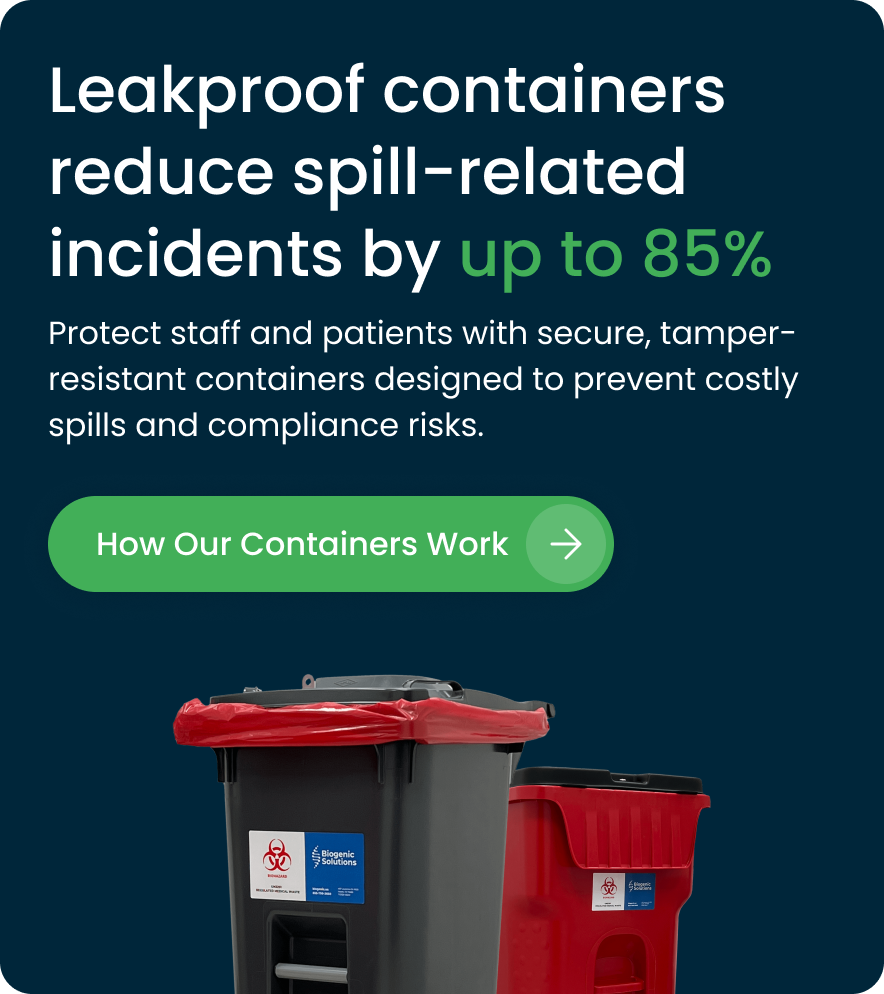
Protect your facility with the right healthcare waste bins. Biogenic Solutions provides medical waste management tailored to your needs. Our personalized, local service ensures compliance and safety with transparent, volume-based pricing, delivering so much more than a cardboard box.
Choosing the right healthcare waste bins goes above just picking a trash can. It protects your team, your reputation, and your patients from medical risks. As a practice manager, you need medical waste management that ensures safety, compliance, and operational ease.
Your health care facility generates various types of medical waste, each requiring specific handling to maintain infection control and environmental safety. Understanding these needs is the first step in effective waste management.
Keep reading to find out how to get local, personalized medical waste management service, direct contact, and transparent, volume-based pricing with no generic 1-800 numbers or surprise fees.
What are Health Care Waste Types and Risks?
Every health care facility produces different categories of medical waste. Each type poses unique risk factors and requires specialized waste treatment techniques to protect public health.
- General waste: Standard solid waste comparable to regular household trash.
- Infectious waste: Includes materials contaminated with pathogens, blood, or body fluids that pose significant infection risks and therefore require immediate and proper medical waste disposal to prevent the spread of infection.
- Hazardous waste: Includes toxic chemicals and pharmaceutical waste that require careful disposal and must comply with stringent regulations to prevent exposure and environmental contamination.
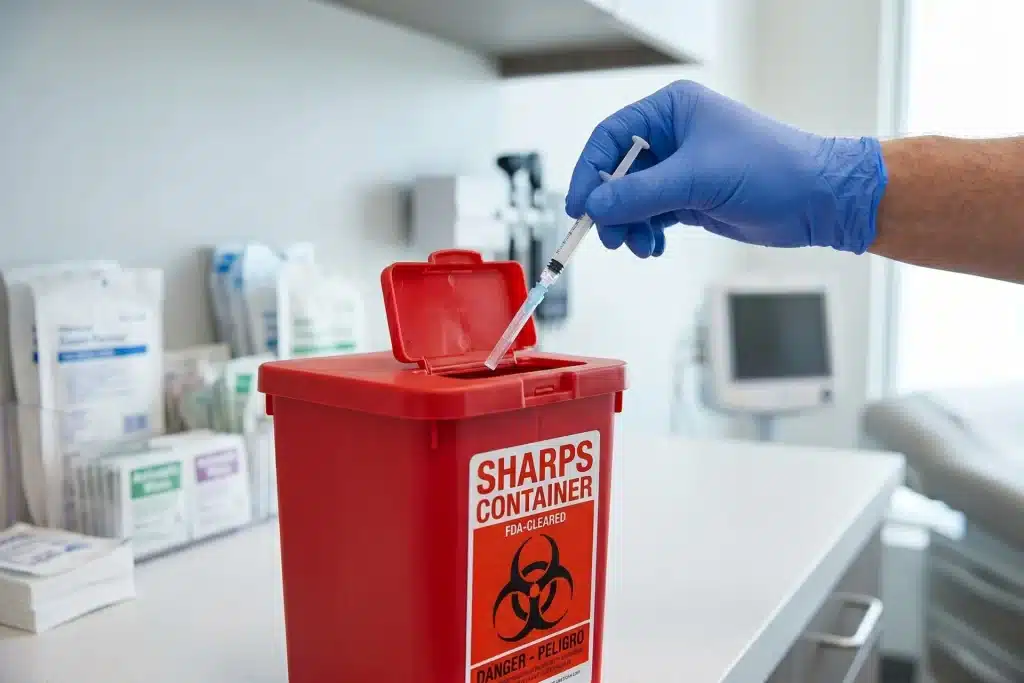
- Sharps: Includes needles and scalpels that can cause injury and disease transmission and therefore require puncture-resistant containers to reduce needlestick injuries.
Using the right healthcare waste bins for each category prevents contamination and keeps your facility compliant.
Regulatory Compliance in Medical Waste Disposal
Health care facilities adhere to OSHA, EPA, and state health department regulations to ensure safety and compliance, which involves several critical components:
- Proper documentation and tracking of medical waste disposal
- Following waste segregation protocols using color-coded containers
- Ensuring healthcare workers are properly trained through OSHA-compliant solutions.
Failure to manage regulated medical waste properly can lead to fines and jeopardize your license. Working with a compliance partner, like Biogenic Solutions, keeps you up to date on recent regulatory changes so you don’t have to do it alone.
The Role of Segregation: Color Coding and Labeling
Waste segregation is the backbone of efficient hospital waste management. Color-coded healthcare waste bins simplify this for your staff.
Different colors identify specific waste types. Proper labeling supports this system, reducing the risk of cross-contamination. Common color codes include:
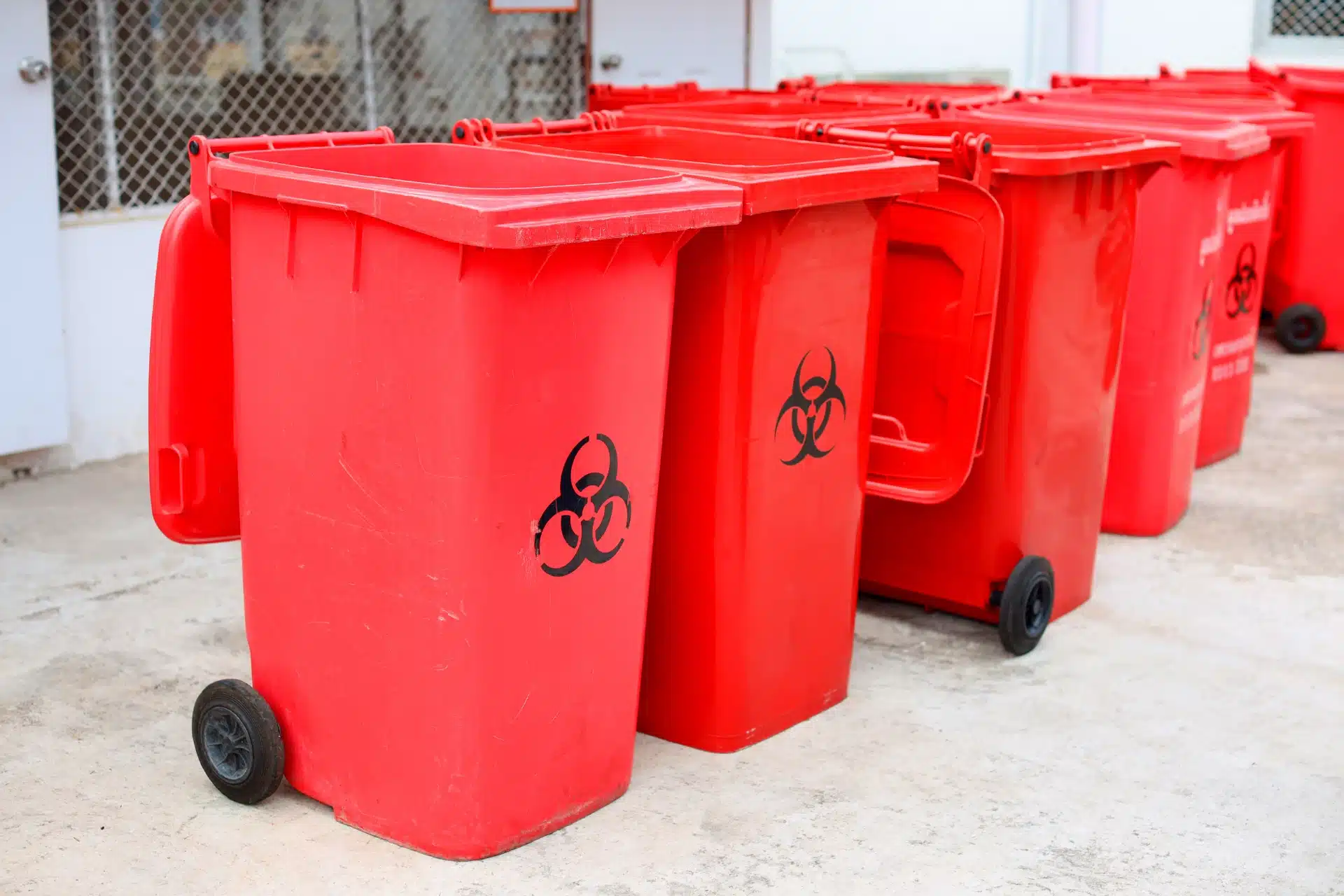
- Red: Regulated medical/infectious waste
- Yellow: Clinical waste requiring specific waste treatment
- Blue: Pharmaceutical waste
Clear labels on containers reinforce these codes and provide safety information. An effective system enhances infection control and ensures that waste generated is disposed of appropriately, such as through medical waste incinerators or steam sterilization.
This approach not only adheres to regulations but also ensures operational efficiency.
Key Features to Look for in Healthcare Waste Bins
When selecting containers for your hospitals or laboratories, consider these features to improve operational efficiency and safety:
- Durability: High-quality materials ensure a long lifespan and reliability.
- Capacity: Ensure the bin size matches the volume of medical waste your facility produces to avoid overflows.
- Safety features: Look for secure lids and hands-free operation to prevent exposure to hazardous waste.
- Puncture resistance: Essential for sharps to prevent needlestick injuries.
- Mobility: Wheels or handles for easy transport.
- Odor control: Critical for maintaining a professional environment in clinical areas.
Ease of use must not be overlooked. Bins should be simple to empty and clean, streamlining waste management processes.
Finally, consider compatibility with your facility’s infection control protocols. Proper selection can significantly enhance hospital waste management.
Choosing the Right Bin for Each Waste Stream
Selecting the correct bin type for various waste streams is crucial in healthcare settings. Different waste types have specific disposal needs.
| Waste Bin Type | Purpose | Bin Color |
| General Waste | Standard non-hazardous waste | Standard |
| Infectious Waste | Materials with infectious potential | Yellow |
| Pharmaceutical Waste | Expired or unused medications | Blue |
| Clinical Waste | Non-sharps hazardous waste and body fluids | Yellow (Infectious) |
| Medical Waste | Waste posing health risks (e.g., human tissue) | Red |
| Sharps Disposal | Needles and blades; puncture-resistant | Often Red or Yellow |
Note: Color-coding is not fully standardized worldwide.
Assessing your facility’s specific waste streams helps in choosing suitable bins. Proper selection minimizes risks and enhances environmental compliance.

Image Source: Pexels
Sharps Disposal Containers: Safety and Best Practices
Needlestick injuries are a primary concern for healthcare workers. That’s why puncture-resistant sharps containers are a vital infection control measure.
Best practices for sharps include:
- Place containers at the point of use to reduce the risk of needlestick injuries.
- Replace containers when they reach the fill line.
- Never overfill, as this increases the risk of injury.
It’s important to place these containers strategically throughout the facility. Close proximity reduces the risk of accidental injuries during waste disposal.
- Use designated containers: Always use approved sharps containers.
- Seal and replace regularly: Ensure containers are sealed and replaced when they are full.
- Train staff: Regular training on safe sharps disposal is essential.
Implementing these sharps disposal practices ensures a safer environment for both staff and patients.
Sustainable Options for a Greener Facility
Reducing your facility’s carbon footprint starts with better disposal options. Prioritizing sustainability isn’t just about helping the environment. It’s a smarter, more efficient way to manage your medical waste.
When selecting your healthcare waste bins, look for these eco-friendly features:
- Recycled materials: Opt for containers with high recycled content to lower your environmental impact.
- Durability: High-quality, long-lasting bins reduce waste by minimizing the need for frequent replacements.
- Biodegradable Liners: Use sustainable liners to further reduce your facility’s environmental footprint.
By choosing these solutions, you demonstrate a commitment to green health care practices while maintaining high safety standards
Placement, Training, and Team Engagement
Compliant healthcare waste bins are only effective if your team uses them correctly. Strategic waste segregation starts with educating your healthcare workers on proper protocols.
You can improve safety and compliance through:
- Strategic placement: Evaluate foot traffic to place sharps and medical waste bins where they are needed most.
- Ongoing training: We provide OSHA-compliant solutions and online courses to keep your staff up to date on regulated medical waste handling.
- Active feedback: Encourage your team to report issues with bin placement or disposal logistics to maintain a safe environment.
Through consistent engagement, you can achieve your management goals while protecting your staff from infection.
Maximizing Cost-Effectiveness and Efficiency
Choosing the right healthcare waste bins isn’t just a logistical choice, it directly affects your day-to-day operations and overall costs. When your waste management matches the actual volume you generate, you can work more efficiently while keeping expenses under control.
To maximize your cost-effectiveness without compromising safety, consider the following:
- Invest in robust containers to minimize replacement costs and ensure long-term reliability and durability.
- Match the size and capacity of your bins to the volume of waste generated to prevent overflows and reduce the frequency of medical waste disposal pickups.
- Partner with a provider that offers consistent, volume-based pricing to avoid the “surprise” fees often found with large national providers.
Prioritizing these elements improves resource allocation and ensures smoother facility operations.
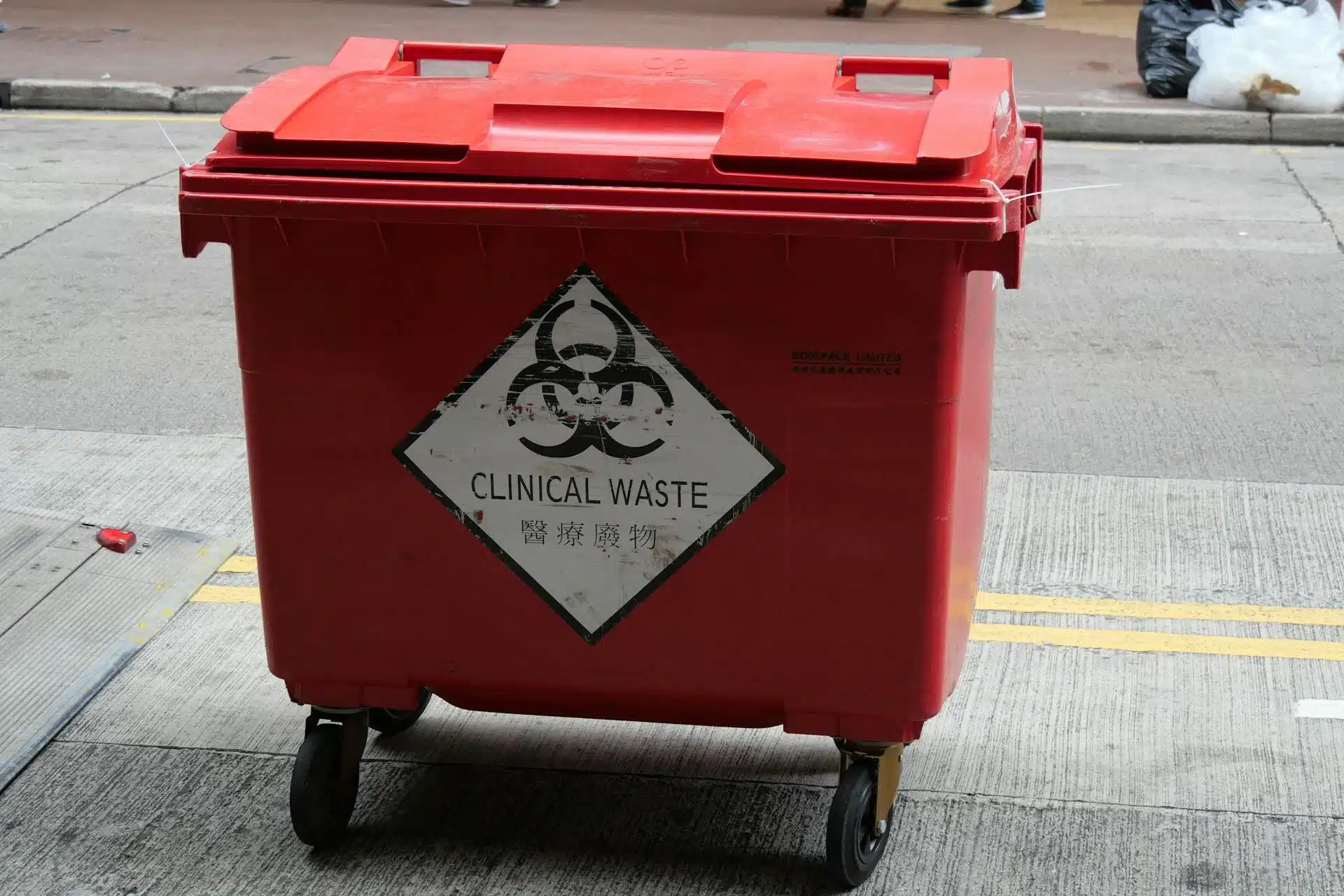
Image Source: Pexels
Partnering with Medical Waste Management Experts
Navigating the complexities of regulated medical waste can be challenging to manage independently. Working with a dedicated compliance partner gives you the expertise to choose the right bins and follow all regulations.
Compliance Management Comparison
| Service Feature | Compliance Partner | Independent (DIY) |
| Support Level | Direct human touch with local, personalized service and dedicated contact. | Reliance on generic 1-800 numbers or automated customer service queues. |
| Customization | Tailored solutions designed for your facility’s unique sharps and pharmaceutical needs. | One-size-fits-all approach requiring manual adjustments for specific waste streams. |
| Oversight | Comprehensive guidance on OSHA standards and regulatory updates for total peace of mind. | Continuous self-monitoring of shifting federal and state laws to avoid penalties. |
By partnering with us, you gain access to:
- Reliable, scheduled pickups with no missed service.
- Tailored management for complex waste streams like heavy metals or toxic chemicals.
- A dedicated compliance partner who understands the Texas health care landscape.
Unlike large providers with hidden fees, Biogenic Solutions offers transparent pricing and cost-efficient solutions tailored to your needs.
Key Takeaways
- Select healthcare waste bins tailored to your specific waste streams to ensure your facility meets all OSHA and EPA regulatory standards.
- Implement a strict color-coded system for regulated medical waste to prevent cross-contamination and enhance infection control.
- Use puncture-resistant sharps disposal containers and hands-free medical waste bins to minimize the risk of needlestick injuries.
- Optimize bin placement and use smart tools to streamline pickups and improve your facility’s daily operational efficiency.
FAQs About Healthcare Waste Bins
In clinical settings, red is used for regulated medical waste and infectious materials, yellow often designates clinical waste requiring treatment, and blue is reserved for pharmaceutical waste disposal.
To reduce needlestick injuries, place puncture-resistant sharps disposal containers at the point of use, never overfill them, and ensure all healthcare workers receive regular safety training.
Local providers like Biogenic Solutions offer personalized service and direct communication. Unlike large national firms, we provide transparent, volume-based pricing without the long hold times or surprise fees.
The best way to manage medical waste is through strict segregation and the use of compliant healthcare waste bins. Partnering with experts ensures your waste is treated safely through methods such as incineration or sterilization.
Building a Safer, Greener Facility
Take the next step toward compliant medical waste management with Biogenic Solutions. If you’re updating your healthcare waste bins or seeking a more personalized service, we can help.
Reach out to schedule a facility review and explore our line of mobile OSHA-compliant biohazard waste containers that support safer healthcare waste management.