Safe biohazard waste disposal is vital for protecting healthcare staff and patients. Clear labelling, proper sharps handling, and consistent sorting help prevent injuries and keep facilities compliant with OSHA’s Bloodborne Pathogens Standard. This guide provides simple, practical advice.
OSHA biohazard waste disposal affects nearly every aspect of a healthcare facility. When the process works, staff stay safe, patients stay protected, and daily routines run smoothly. However, shifts move quickly, and mistakes do happen.
New staff often feel nervous about hazardous substances until they’ve handled them a few times, so a slight adjustment like double-checking container labels can make a big difference in safety and confidence. This guide breaks down the main rules to follow without the guesswork.
What is Regulated Medical Waste (RMW)?
Biohazard waste includes any potentially infectious materials that can spread disease or cause injury. You may see most of them during a typical shift: contaminated sharps, blood-soaked dressings, and other regulated waste, including tissue, organs, and body parts.
OSHA standards are designed to minimize employee exposure to these infectious materials and reduce the chance of serious incidents.
What are OSHA Disposal Guidelines?
The Bloodborne Pathogens Standard lays out the routines every facility must follow to stay compliant. These guidelines form the backbone of your OSHA biohazard waste program, including:
- Separate waste at the source
- Use leak-proof containers for biohazardous materials
- Label everything clearly
Keep regulated waste organized and simplify waste management for staff to avoid mix-ups during busy shifts and stay on top of guidelines every day.
Safe Handling, Sorting, and Labelling
Accurate sorting is the foundation of a proper disposal routine. It prevents dangerous and costly mistakes. Key habits to reinforce include:
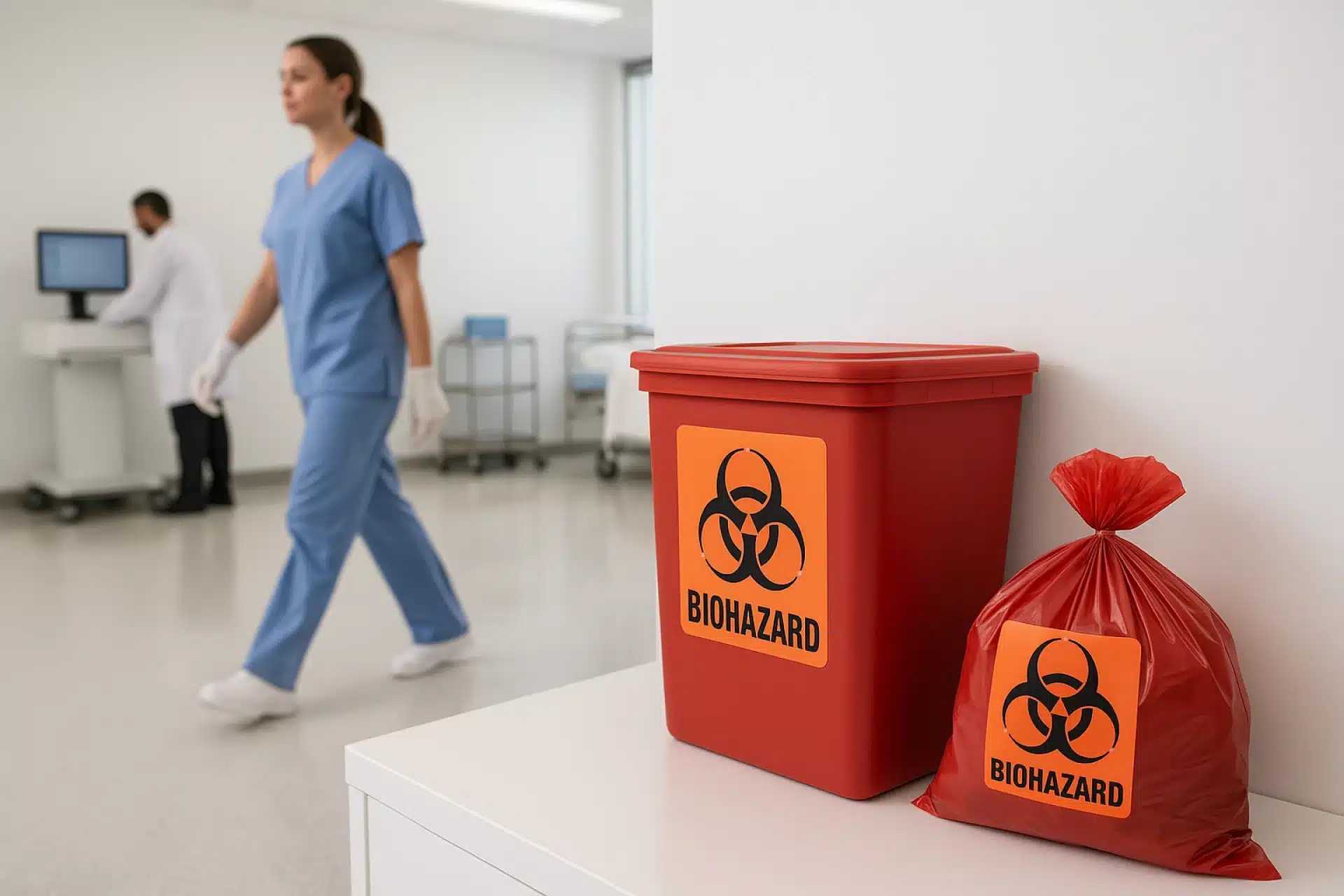
- Use labelled or color-coded bins
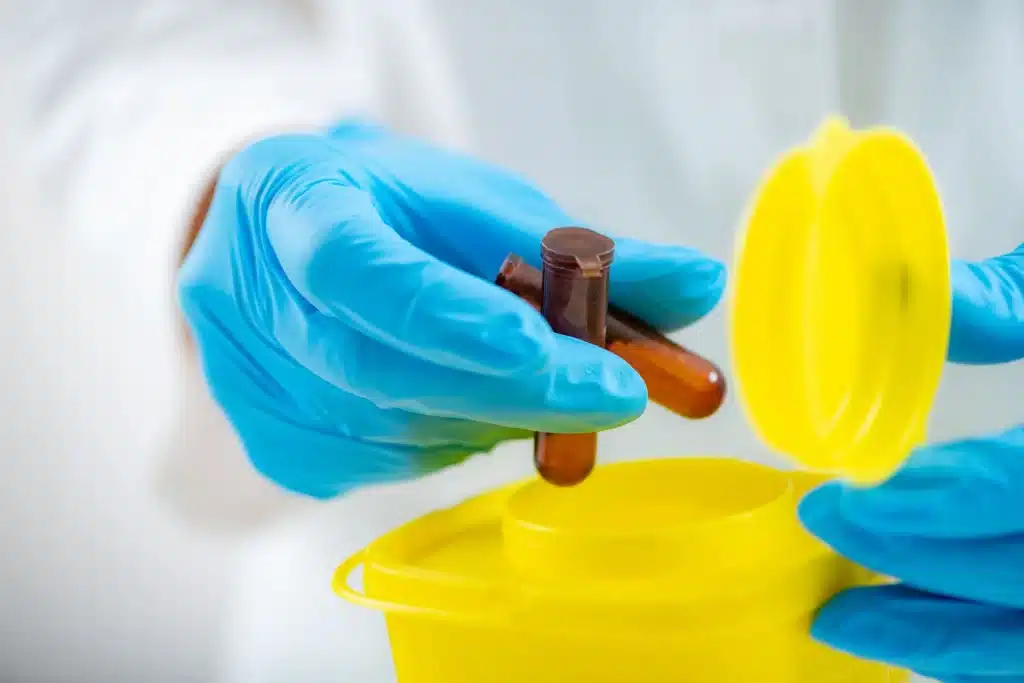
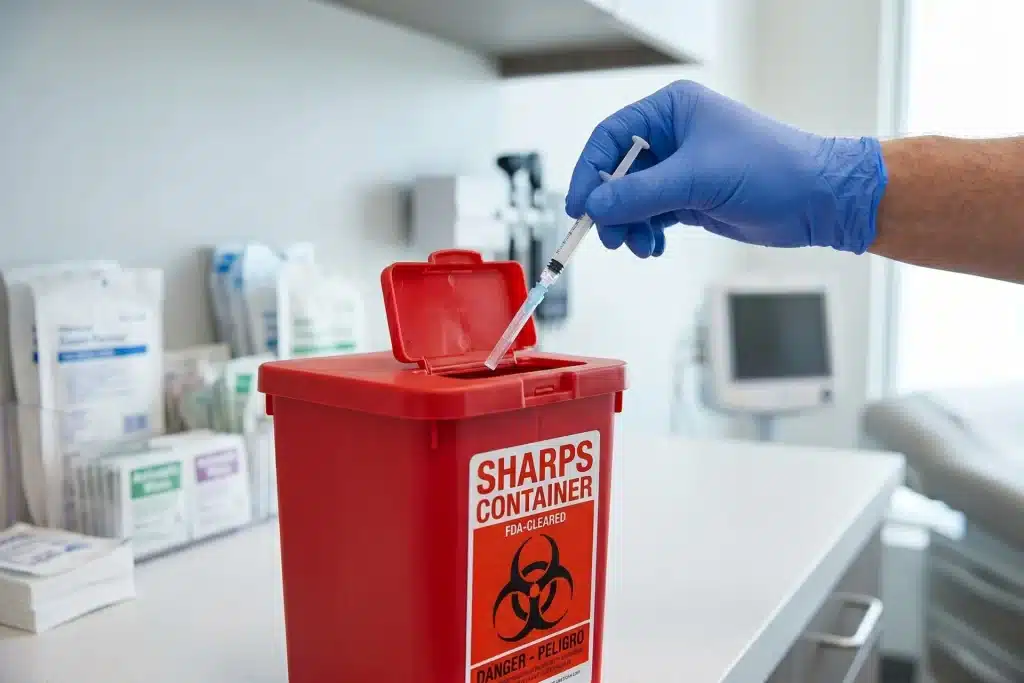
- Place contaminated sharps in rigid, puncture-resistant containers
- Seal bags and containers before transport
- Label everything with the universal biohazard symbol
Busy units benefit from straightforward steps that don’t slow anyone down. These habits help staff feel more confident and reduce the stress that comes with handling regulated waste.
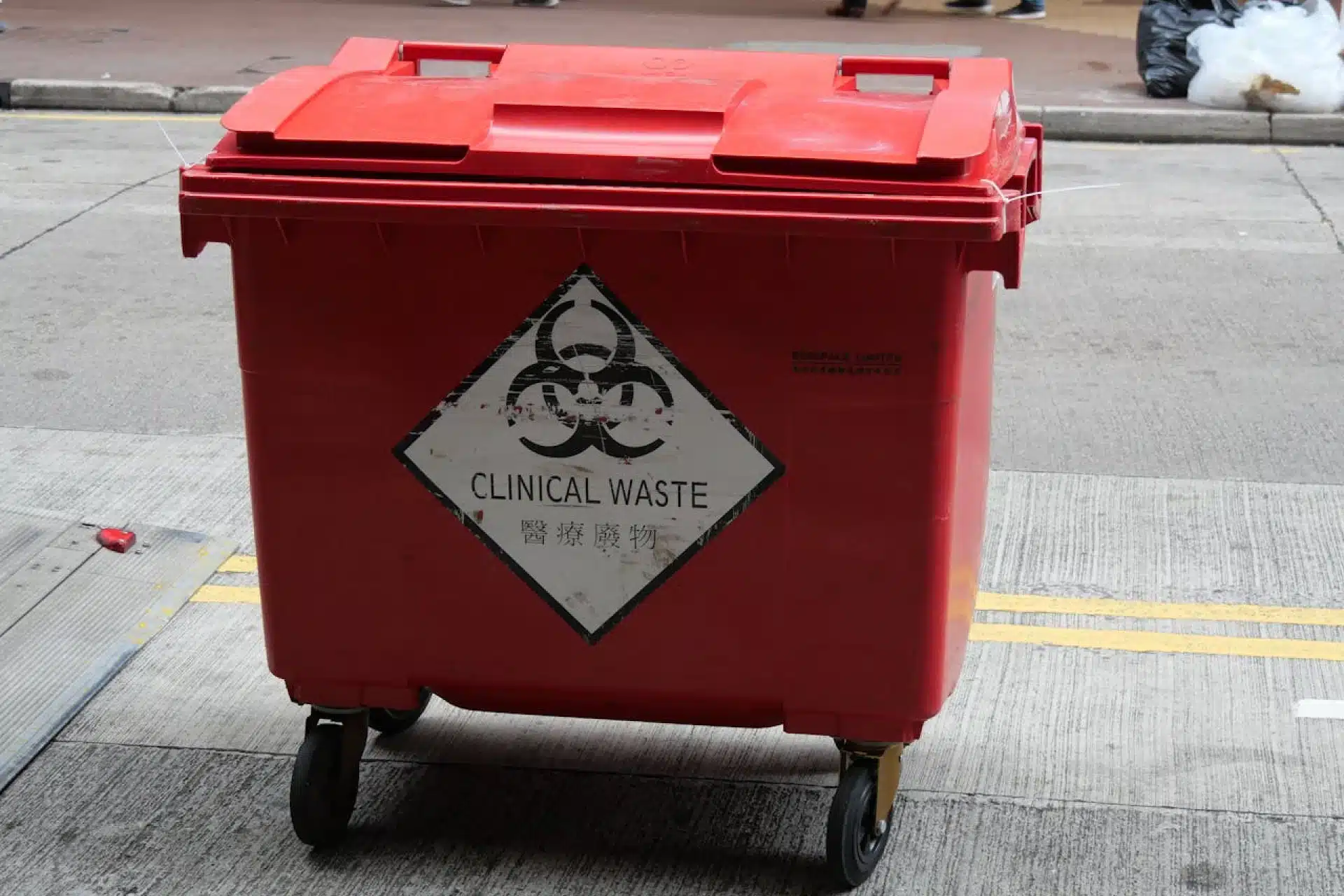
Image Source: Pexels
Training and Accountability
Employee training should provide the expertise they need to feel confident and prepared for any potential hazards. It’s pivotal for OSHA biohazard waste management.
Training should include:
- Waste Handling Protocols: Detailed, site-specific procedures for every type of regulated medical waste
- Exposure Control Plan (ECP): Steps for managing spills, exposure incidents, and equipment malfunctions
- Regulatory Updates: Timely information on current OSHA rules
Your training program helps new hires gain confidence quickly and reassures experienced staff that workplace safety is a priority.
Non-Negotiable Protection
Personal protective equipment (PPE) shields staff from exposure during routine tasks. It should be easy to find and available where people actually work, not across the unit.
Staff should:
- Wear non-permeable gloves and gowns when handling biohazard waste
- Use masks and face shields when splashing is possible
- Wash hands immediately after removing PPE
Consistency here prevents many avoidable mishaps. Ensure that every staff member follows through and stays accountable for one another.
Staff Accountability
Clear roles keep everyone aligned. Common responsibilities include:
- Immediate separation: Ensuring every waste is in its proper place.
- Container integrity: Watching container levels so they don’t overfill.
- Mandatory reporting: Immediately reporting spills, needle sticks, or occupational exposure according to your ECP.
When expectations are clear, mistakes and oversights are rare.
Documentation and Steady Improvement
Accurate records prevent last-minute scrambling during inspections. They’re the bedrock of verifiable compliance within your facility’s OSHA biohazard waste program.
Keep track of:
- Training logs
- Official certifications
- Disposal manifests
- Audit reports and follow-ups
Continuous improvement ensures your facility stays compliant on top of changes. To improve your processes, plan regular reviews of your ECP and waste routines. Update procedures when new equipment arrives or when OSHA rules change.
Set small, clear goals for worker safety, such as reducing sorting errors, improving training scores, and maintaining a cleaner record-keeping system.
Compliance Challenges and Smart Ways to Manage Them
Frequent rule updates, turnover, and day-to-day pressures can make compliance harder than it needs to be. Helpful approaches include:
- Conduct monthly audits to catch small issues early
- Use digital tracking tools to simplify paperwork and container checks, making OSHA biohazard waste documentation management easier.
- Share routines across departments to keep everyone aligned
- Standardize supplies to reduce confusion
With comprehensive occupational safety procedures, you protect your workers from harm and your budget from costly fines.
Key Takeaways
- Use clearly labeled or color-coded leak-proof containers for proper segregation of medical waste to prevent mix-ups and ensure correct treatment.
- Dispose of contaminated sharps in puncture-resistant containers to prevent bloodborne pathogens and ensure OSHA compliance.
- PPE is non-negotiable. Gloves, gowns, masks, and face shields must be worn when handling biomedical waste.
- Training and regular, role-specific refreshers reduce mistakes. Annual training is required, but ongoing refreshers ensure worker safety.
- Document logs, manifests, and audits. Accurate, organized documentation proves compliance and prevents last-minute scrambling during inspections.
Your Partner in Practical Compliance and Total Confidence
Handling biohazard waste with care and consistency requires certified, professional help informed about regulations. We’re ready to help. Our specialists at Biogenic Solutions can guide you through safer workflows, clearer protocols, and practical options tailored to your facility.
You can schedule a free consultation to review your current setup and explore our flexible, customized biohazard waste services. At Biogenic Solutions, we offer more than just a cardboard box.